
NewCars-Data.com- Your car’s dashboard is like its way of speaking to you. The lights and symbols that light up are warnings, signals from your vehicle that something needs attention. While it can be overwhelming to see a warning light flash up, understanding what these lights mean and how to respond can help you avoid bigger problems down the road.
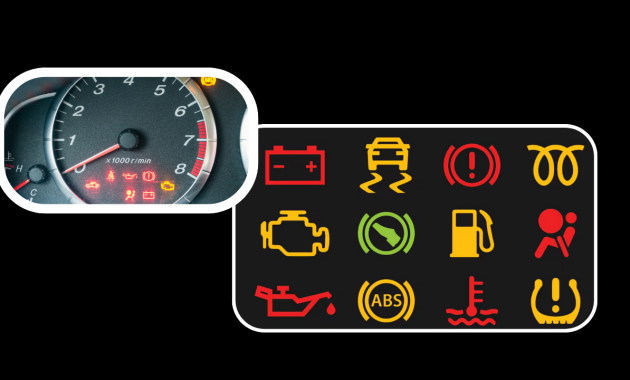
In this guide, we’ll walk you through the most common dashboard warning lights, what they mean, and how to address them—whether it’s a simple fix or a signal to get professional help.
Why Are Dashboard Warning Lights Important?
Dashboard warning lights are an essential feature of modern vehicles. They serve as an early alert system, helping you catch potential issues before they turn into costly or dangerous problems. These lights can indicate a wide range of issues, from minor things like low tire pressure to serious concerns like engine failure or oil pressure problems.
Understanding these warning signals ensures you’re not left in the dark and that you can take the proper steps to keep your vehicle running smoothly and safely.
Common Dashboard Warning Lights and What They Mean
Here are some of the most common dashboard warning lights you might encounter and what you should do when they appear:
1. Check Engine Light (CEL)
What It Means:
- The “Check Engine” light is one of the most intimidating and common dashboard lights. It can indicate anything from a loose gas cap to more severe issues like a malfunctioning sensor, faulty spark plugs, or engine problems. The light can come on for a wide range of reasons, both minor and major.
What to Do:
- If the light is steady, it usually means a non-urgent issue, but you should still get it checked as soon as possible.
- If the light is flashing, it indicates a more serious problem that requires immediate attention.
To diagnose the issue, take your car to a mechanic or use an OBD-II scanner to read the error codes from your car’s computer system.
2. Oil Pressure Warning Light
What It Means:
- The oil pressure warning light looks like an old-fashioned oil can. If it lights up, it means your engine oil pressure is low, which could indicate a leak or that the oil is too low to properly lubricate your engine. Running your engine without enough oil can cause serious damage.
What to Do:
- Pull over safely and turn off the engine as soon as possible to avoid causing further damage.
- Check the oil level when the engine cools down, and top it up if necessary.
- If the light remains on after adding oil, or if you notice a leak, get your car checked by a professional.
3. Battery/Charging Warning Light
What It Means:
- This symbol, typically a battery or a battery with a plus and minus sign, indicates a problem with the car’s charging system. It may mean the alternator isn’t charging the battery properly, or there’s an issue with the battery or wiring.
What to Do:
- If the light comes on, try turning off non-essential electronics like lights, air conditioning, or radio to reduce the load on the battery.
- If the light stays on, it’s best to get your car checked by a mechanic, as the issue could leave you stranded if the battery completely drains.
4. Tire Pressure Warning Light
What It Means:
- The tire pressure warning light usually looks like an exclamation point inside a horseshoe shape. It comes on when one or more of your tires is underinflated, which can cause unsafe driving conditions and lower fuel efficiency.
What to Do:
- Check your tire pressure using a gauge as soon as possible.
- If the pressure is low, inflate your tires to the recommended level (check the side of your tires or your vehicle’s manual for the correct pressure).
- If the light remains on after inflating the tires, it could indicate a more serious issue, like a slow leak or a problem with the pressure sensors.
5. Brake Warning Light
What It Means:
- This light typically looks like a circle with an exclamation point in the middle or the word “BRAKE.” It could indicate several problems, from low brake fluid to issues with the braking system or even an engaged parking brake.
What to Do:
- First, check if the parking brake is engaged, and if so, release it.
- If the light remains on, check the brake fluid level and top it off if necessary.
- If the light stays on after topping up the fluid or if you notice any unusual braking sounds, get the brakes inspected immediately by a mechanic.
6. Coolant Temperature Warning Light
What It Means:
- This light, usually represented by a thermometer submerged in liquid, indicates that your engine is overheating. This could be due to a coolant leak, low coolant levels, or a failing radiator fan.
What to Do:
- If this light comes on, pull over as soon as it’s safe to do so, and turn off the engine.
- Let the engine cool down for at least 30 minutes before checking the coolant level.
- If coolant is low, top it up with the appropriate mixture. If the light remains on or the engine continues to overheat, get it checked by a mechanic.
7. ABS Warning Light
What It Means:
- The ABS (Anti-lock Braking System) warning light indicates an issue with the vehicle’s braking system, specifically the ABS. The system helps prevent the wheels from locking up during braking, particularly in slippery conditions.
What to Do:
- If this light comes on, your regular braking system should still work, but without the benefit of the ABS.
- If the light stays on or if you notice other braking issues, it’s essential to have the ABS system checked by a professional.
How to Fix and Respond to Warning Lights
Some dashboard warning lights are simple fixes, like topping up oil or tire pressure. Others may require professional intervention. Here’s how to deal with them:
1. Read the Owner’s Manual: Each warning light in your vehicle is described in the owner’s manual. If you’re unsure about what a light means or what to do about it, always refer to the manual first.
2. Use Diagnostic Tools: An OBD-II scanner can help you identify the exact issue behind many warning lights, especially the “Check Engine” light. These tools can save you time and money by pinpointing the problem.
3. Act Promptly: If a warning light indicates a serious problem (like low oil pressure or engine overheating), don’t delay in addressing it. The sooner you respond, the less likely it is to turn into a costly or dangerous issue.
4. Visit a Mechanic: If the light doesn’t go off after you’ve taken basic steps (like topping up fluid or checking tire pressure), or if the problem seems beyond your ability to fix, take your car to a mechanic. Professional diagnostics and repairs can prevent further damage and ensure your car remains safe to drive.
You May Like To Read: How to Rotate Your Tires to Extend Their Life.
Dashboard warning lights are your car’s way of communicating with you, and understanding them is crucial for maintaining your vehicle’s health and your safety.
Regular checks and prompt attention to warning lights can prevent breakdowns, reduce repair costs, and keep your car running smoothly.
Remember: the key to handling dashboard lights is not to panic but to respond promptly and wisely, ensuring your car continues to serve you well for years to come.


