
NewCar-Data.com- Selling your car can be a bittersweet experience. Whether you’re upgrading to a newer model, downsizing, or simply parting ways with a vehicle you’ve outgrown, maximizing its resale value is key to getting the best return on your investment.
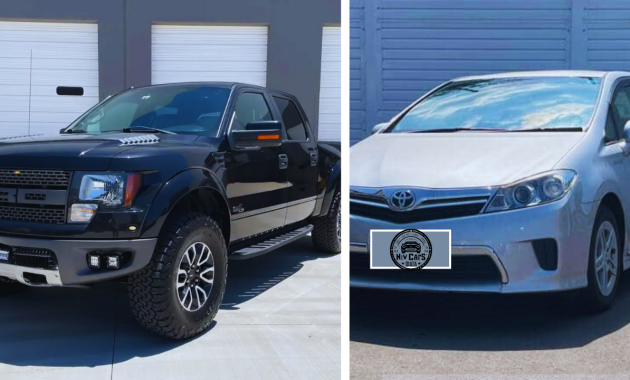
By taking proactive steps to maintain and present your car in its best possible condition, you can significantly increase its appeal to potential buyers. Here’s a practical guide to help you boost your car’s resale value:
1. Keep Up with Regular Maintenance
Cars that are well-maintained often fetch higher resale values because buyers want vehicles they can rely on. Here’s what you should do:
- Follow the Manufacturer’s Maintenance Schedule: Regular oil changes, tire rotations, and tune-ups keep the car in great shape. Keep a detailed log of these services; a documented maintenance history builds buyer confidence.
- Check and Replace Fluids: Brake fluid, transmission fluid, and coolant are often overlooked but critical for a smooth-running vehicle.
- Fix Minor Issues Early: Address small problems like squeaky brakes, dim headlights, or dashboard warning lights before they escalate into costly repairs.
2. Wash and Detail Your Car Regularly
First impressions matter, and the exterior of your car is the first thing potential buyers notice. A clean, well-detailed vehicle can make all the difference.
- Wash Frequently: Clean off dirt, bird droppings, and road salt to protect the paint job.
- Wax and Polish: Regular waxing adds a protective layer and keeps the paint looking fresh. Polishing can help restore a showroom shine.
- Detail the Interior: Vacuum carpets, clean upholstery, and wipe down surfaces. Pay extra attention to areas like cup holders, vents, and the dashboard.
- Eliminate Odors: Neutralize lingering smells with an air freshener or by deep-cleaning fabrics.
3. Repair Cosmetic Damage
Small dents, scratches, and cracked windshields may seem insignificant, but they can turn off potential buyers and lower the perceived value of your car.
- Fix Scratches and Chips: Use touch-up paint for minor scratches or hire a professional for more noticeable damage.
- Repair Dents: Paintless dent repair can work wonders on small dings.
- Replace Cracked Windshields: A clear, damage-free windshield enhances safety and aesthetics.
4. Upgrade Where It Counts
Certain upgrades can make your car more appealing and justify a higher price tag. However, be strategic and avoid overinvesting.
- Install New Tires: Worn-out tires can be a red flag. New tires not only look good but also reassure buyers about safety.
- Replace Worn Floor Mats: This inexpensive upgrade can instantly improve the interior’s appearance.
- Update Technology: Adding a backup camera, Bluetooth connectivity, or a GPS system can make older cars feel modern.
5. Keep the Mileage Reasonable
While you can’t roll back the odometer (nor should you!), you can take steps to avoid excessive mileage:
- Plan Trips Efficiently: Combine errands to minimize unnecessary driving.
- Use Alternative Transport: Occasionally biking, walking, or carpooling can help reduce wear and tear.
6. Store Your Car Properly
Proper storage can slow down wear and tear caused by the elements:
- Park in a Garage: Protect the car from harsh sunlight, rain, and snow.
- Use a Car Cover: If you don’t have a garage, invest in a high-quality car cover to shield the vehicle.
- Avoid Prolonged Idle Time: Letting your car sit for months can cause mechanical issues. Start it occasionally or take it for a short drive.
7. Keep Records Organized
Having a file with all your car’s paperwork creates trust and demonstrates that you’ve taken good care of the vehicle. Include:
- Maintenance and repair receipts.
- Warranty documents (if applicable).
- Registration and insurance records.
- Vehicle history report (available through services like Carfax).
8. Know the Market Value
Understanding your car’s current market value is crucial for pricing it competitively. Research using tools like Kelley Blue Book (KBB), Edmunds, or online marketplaces to see what similar vehicles are selling for.
- Adjust for Condition and Mileage: A car in excellent condition with low mileage can command a premium.
- Account for Local Demand: SUVs might sell faster in snowy regions, while small, fuel-efficient cars may be in demand in urban areas.
9. Sell at the Right Time
Timing plays a big role in how much you can get for your car. Generally, the best time to sell is:
- Before a New Model Release: If your car’s newer model is about to launch, try to sell before depreciation accelerates.
- During High-Demand Seasons: SUVs and trucks sell better in the fall and winter, while convertibles and sports cars are more desirable in spring and summer.
10. Be Honest About Your Car’s Condition
Transparency goes a long way in earning buyer trust. Provide a clear and honest description of the car’s condition, including any known flaws.
- Highlight Positive Features: Mention new parts, recent servicing, and upgrades.
- Disclose Accidents: If the car has been in an accident, be upfront. Buyers are likely to find out through a vehicle history report anyway.
11. Clean Under the Hood
A clean engine bay signals to buyers that you’ve taken care of your car. While you don’t need to go overboard, a light cleaning can remove dirt and grease, making the engine look well-maintained.
12. Advertise Effectively
When it’s time to sell, an attractive, well-crafted advertisement can make all the difference.
- Take Great Photos: Clean your car thoroughly, then photograph it in good lighting. Include shots of the exterior, interior, and key features.
- Write a Compelling Description: Be detailed and use clear, positive language. Include information about the car’s mileage, condition, and features.
- Choose the Right Platforms: List your car on popular sites like Craigslist, Facebook Marketplace, or specialized car-selling platforms.
13. Negotiate Smartly
Be prepared for negotiations and stick to a fair price. Here are a few tips:
- Set a Realistic Asking Price: Start slightly above your minimum acceptable price to leave room for negotiation.
- Know Your Bottom Line: Determine the lowest price you’re willing to accept beforehand.
- Be Polite and Professional: Buyers appreciate sellers who are friendly and respectful.
You May Like To Read: How to Diagnose Poor Acceleration Issues in Your Car.
So, to summarize, Increasing your car’s resale value doesn’t have to be complicated or expensive. By following these simple steps, you can boost your car’s appeal, command a higher price, and sell it faster. Remember, buyers are looking for a car that feels well-loved and trustworthy. A little effort on your part can go a long way in making your car stand out in a competitive market.
So, take the time to clean, maintain, and present your vehicle in its best light. When the time comes to say goodbye, you’ll be glad you put in the extra effort to maximize its value.


