
NewCars-Data.com – Poor air quality can mess with your car’s performance. Dust, dirt, and other debris can slip into the engine, clogging and affecting fuel economy. That’s where your car’s air filter comes in—it plays a big role in keeping your car running smoothly by blocking out the stuff that shouldn’t be there.
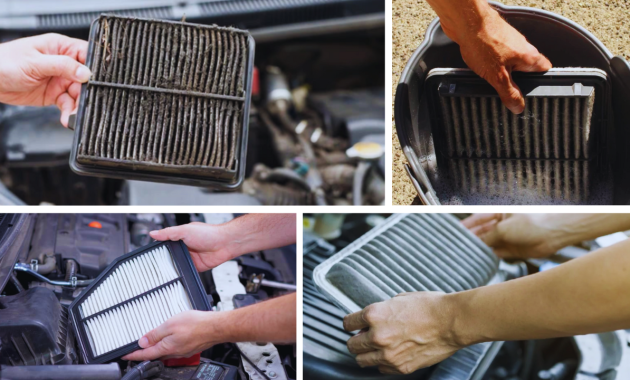
If you’re new to car air filters, don’t worry! We’ll walk you through everything you need to know, from what air filters do to how to care for them and when to replace them. By the end, you’ll have the know-how to keep your air filter in top shape and your car performing its best.
What’s the car’s air filter?
A car air filter is a part of your vehicle that cleans the air before it reaches the engine. It’s usually made of a special paper or synthetic material designed to trap dirt, dust, pollen, insects, and other tiny particles in the air. This is important because engines need a mix of clean air and fuel to run smoothly.
If unfiltered air, filled with dust or debris, enters the engine, it can cause damage over time, making the engine work harder and wear out faster.
What does the car’s air filter do?
An air filter in your car has a big job: it keeps the air that enters your engine clean by filtering out dirt, dust, insects, and other tiny particles. Without an air filter, these contaminants would flow into the engine, damaging its delicate parts and leading to faster wear and tear. By capturing these particles, the air filter protects your engine, helps it run smoothly, and even makes it last longer. This clean air is essential for a balanced mix of oxygen and fuel, which your engine needs to perform well.
Over time, though, the air filter gets clogged, and a dirty filter can lead to some telltale problems. If you’ve noticed any of the following signs, it might be time to check your air filter:
- Lower fuel economy: You’re spending more at the pump because your engine is working harder.
Strange engine sounds: A rough or unusual sound could mean the engine isn’t getting enough air.
Black smoke from the exhaust: A clogged filter can lead to an imbalance in fuel burning, which causes this smoky exhaust.
Check engine light: When your car’s onboard computer senses an air restriction, it might trigger this light.
If your car’s air filter is looking dark or dirty—whether on the outer edges or deep within the folds—it’s likely clogged with dust and debris and needs some attention.
First things first: Not all car air filters can be cleaned. Some filters are designed to be replaced rather than cleaned, so it’s always a good idea to check your owner’s manual or ask a trusted mechanic to see if yours is safe to clean.
Steps to Clean a Car Air Filter
To get your car’s air filter clean and refreshed, start by gathering a few simple tools. You’ll need a bucket of warm water with a small amount of mild detergent to gently lift out dirt, a soft brush or microfiber cloth for scrubbing without causing damage, and a clean, dry towel to remove any moisture afterward. If you have compressed air, that’s perfect for blowing out stubborn dust. Gloves are also a good idea to keep your hands clean and protected while you work.
First, find the air filter, look for a box positioned on top of the engine—this is where it’s typically housed. If it doesn’t stand out right away, a quick look at your owner’s manual should give you the exact spot.
Next, remove the air filter! Start by releasing any clips or latches holding the cover in place. Once the cover is off, gently lift the air filter out of its housing, being careful not to damage or shake loose any dust that could fall back into the engine.
Now it’s time to clean the air filter! start by gently brushing off any loose dirt and debris with a soft brush or microfiber cloth. If you have compressed air or a vacuum cleaner with a soft brush attachment, these can help dislodge dust more effectively. Use a light touch to avoid damaging the filter while removing as much buildup as possible.
After cleaning, allow the air filter to air dry completely. A damp filter can lead to engine problems, so this step is crucial. Pat it down with a dry towel and then leave it out to air dry. Once the filter is dry, put it back in its place, close up the air filter box, and you’re good to go!
If you’re uncertain about any part of the process, don’t hesitate to stop by a local mechanic shop for help. It’s a simple task but one that can make a big difference in your car’s performance and health.
Knowing When to Refresh or Swap Your Air Filter
Knowing when to clean or replace your air filter is key to keeping your engine running smoothly. Even if you don’t drive often, the air filter naturally collects dirt and particles over time and won’t last forever. If the filter starts looking brittle, shows any tears, or has visible damage, it’s time to replace it rather than just clean it.
These signs indicate that the filter is no longer able to trap particles effectively, which can lead to less efficient engine performance or even damage. Many of these issues might go unnoticed if you’re not inspecting the filter regularly, but your mechanic will usually check and catch them during routine maintenance.
So, while a quick cleaning can extend your filter’s life between replacements, be prepared to swap it out when it’s visibly worn to ensure clean airflow to your engine.


