
NewCars-Data.com- A car leak is more than just an annoying inconvenience—it can be a sign of underlying mechanical issues that, if ignored, may lead to costly repairs. Whether it’s a small drip under your car or a noticeable puddle on your driveway, learning how to identify and stop car leaks can help you protect your vehicle and your wallet.
In this article, we will walk you through the common types of leaks in cars, how to detect them, and what you can do to fix or prevent them.
Why Car Leaks Are a Concern?
A leaking car can cause long-term damage if left unchecked. Leaks often result from worn-out seals, cracked hoses, or defective components. While some leaks may seem minor, they could lead to bigger problems like engine damage, transmission failure, or even fire hazards.
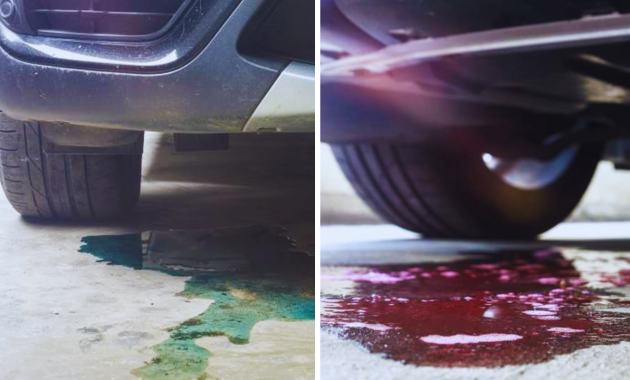
Additionally, leaking fluids can also pose environmental risks and harm to the surrounding area. Identifying the source of the leak early and fixing it can save you both time and money in the long run.
Understanding Common Car Leaks
Before diving into how to identify and fix leaks, it’s essential to understand what fluids are likely to leak from your car. Here are the most common types of car leaks:
1. Engine Oil Leaks
Engine oil is the lifeblood of your car’s engine, keeping its components lubricated and preventing friction. Oil leaks are among the most common car issues, typically resulting from worn-out gaskets, seals, or loose oil drain plugs.
If the oil leaks persist, it can cause engine overheating, increased friction, and eventually, engine failure.
2. Coolant Leaks
The cooling system is responsible for maintaining your engine’s temperature, and coolant leaks can lead to your engine overheating. A coolant leak might occur from cracked hoses, worn-out radiator seals, or damaged components.
If your coolant level is low, it could also cause your engine to overheat, which may lead to costly repairs.
3. Transmission Fluid Leaks
Transmission fluid keeps your vehicle’s transmission running smoothly. A leak can cause the transmission to shift roughly or even stop working entirely. These leaks can often be spotted by a reddish or brownish fluid under the vehicle.
Common causes of transmission fluid leaks include a damaged seal or gasket, or a crack in the transmission housing.
4. Brake Fluid Leaks
Brake fluid is essential for proper braking performance. If your brake fluid is leaking, it can result in reduced braking efficiency, making it harder to stop your car safely. Brake fluid leaks often occur at the master cylinder or the brake lines, where seals may deteriorate over time.
5. Power Steering Fluid Leaks
Power steering fluid enables your car’s steering to function smoothly. A leak in the power steering system can make steering harder, especially at low speeds. If you hear whining noises when turning the steering wheel or experience difficulty turning, it could be a sign of a power steering fluid leak.
6. Gasoline Leaks
Gasoline leaks are dangerous and require immediate attention. A fuel leak can occur due to a damaged fuel line, fuel pump, or a cracked fuel tank. If you smell gas inside or around your vehicle, it’s critical to have the leak addressed promptly to avoid the risk of fire.
How to Identify a Car Leak?
Detecting a car leak can sometimes be tricky, especially if it’s small or intermittent. Here are a few steps you can follow to pinpoint the leak:
1. Check for Puddles Under the Car
One of the easiest ways to detect a leak is by looking for puddles or stains on the ground where you typically park your car. Different fluids have distinct colors that can help identify the source of the leak:
- Engine oil: Brown or black
- Coolant: Green, orange, or pink
- Transmission fluid: Red or brown
- Brake fluid: Clear or yellowish
- Power steering fluid: Dark red or brown
- Gasoline: Clear or yellowish, with a strong odor
2. Examine Fluid Levels
- If you notice a puddle or suspect a leak, check your car’s fluid levels. You can do this by inspecting the engine oil, coolant, brake fluid, power steering fluid, and transmission fluid. Low levels in any of these reservoirs may confirm the presence of a leak.
3. Smell for Leaks
- Some leaks, particularly gas or coolant leaks, have distinct odors. A strong gasoline smell could signal a fuel line or tank leak, while a sweet smell might indicate a coolant leak.
4. Inspect the Engine Bay and Under the Car
- Take a close look at the engine compartment and underneath your car. Look for any visible cracks, wet spots, or rusted areas that could be the source of the leak.
- Pay particular attention to hoses, seals, gaskets, and connections, as these are common culprits for leaks.
5. Monitor the Dashboard Lights
- If your vehicle’s dashboard warning lights illuminate, it could be an indicator of low fluid levels or a leak in a critical system (e.g., brake fluid or coolant). If the coolant temperature gauge is reading too high or you receive an oil pressure warning, you may be dealing with a significant leak.
How to Stop a Car Leak?
Once you’ve identified the source of the leak, you can take steps to stop it. Depending on the severity of the leak, you may be able to fix it yourself, or you might need to consult a professional mechanic.
1. Tighten or Replace Loose Fittings
Sometimes, leaks are caused by loose connections, such as an oil drain plug, hose clamp, or fuel line. Tightening these connections may stop the leak. However, if the fittings are worn or damaged, you may need to replace them.
2. Replace Gaskets and Seals
Leaks caused by faulty gaskets or seals (such as an oil filter gasket or a worn radiator hose) often require replacement. Replacing these parts can be a DIY job if you’re comfortable working with basic automotive tools, but for complex repairs, it’s best to seek professional help.
3. Use Leak-Stopper Products
There are several commercially available products designed to stop minor leaks, such as stop-leak additives for radiators or cooling systems. While these products can sometimes provide a temporary fix, they are not long-term solutions and are best used only when immediate repairs aren’t possible.
4. Flush and Refill Fluid Systems
For some leaks, like coolant or brake fluid leaks, it may be necessary to flush the system before replacing the damaged component. Flushing helps remove debris and contaminants, ensuring that your system works optimally once the leak is fixed.
5. Seek Professional Help
If the leak is severe, or if you’re unable to identify the source, it’s time to take your car to a qualified mechanic. Leaks in complex systems like the transmission, fuel tank, or engine require special tools and knowledge to diagnose and repair. A professional can help identify hidden leaks and prevent further damage to your vehicle.
How To Prevent Future Car Leaks?
The best way to avoid the frustration and cost of leaks is to take preventive measures. Regular maintenance is key to keeping your vehicle’s systems in good working condition. Here are some tips to prevent future leaks:
- Regularly check fluid levels and condition: Make it a habit to check your car’s fluid levels and quality every few months. Ensure that your oil, coolant, brake fluid, and transmission fluid are topped up and free of contaminants.
- Inspect hoses and belts: Over time, hoses and belts can deteriorate, leading to leaks. Check for cracks or bulges and replace any damaged parts before they fail.
- Replace seals and gaskets as needed: Seals and gaskets can wear out with age, so replace them during regular maintenance intervals to prevent leaks from occurring.
- Visit a professional for routine inspections: Have your car inspected by a mechanic on a regular basis. Routine maintenance can identify potential issues before they turn into leaks.
To conclude, Car leaks are more than just a nuisance—they can cause significant damage if not addressed promptly. By understanding the different types of leaks and how to identify them, you can take the necessary steps to fix the issue before it escalates.
Whether you’re able to repair the leak yourself or need to consult a mechanic, taking action early can save you from costly repairs down the road. Keep an eye on your vehicle’s fluid levels, and make regular maintenance a priority to ensure your car stays leak-free for years to come.


